Greek Mythology

An Overview of Greek Mythology

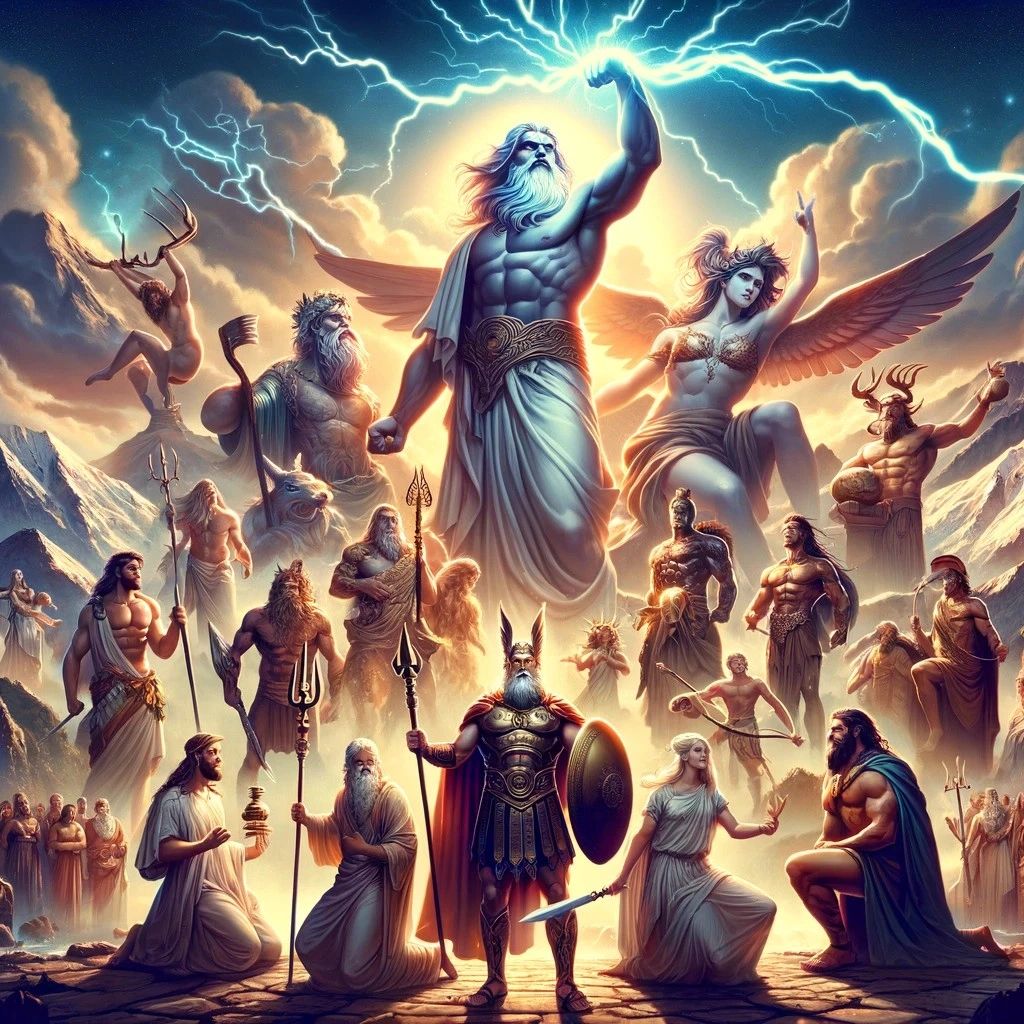
Greek mythology represents a rich tapestry woven from the threads of human imagination and the quest for understanding the world’s mysteries. This ancient system encompasses gods, goddesses, heroes, and monsters embodying natural forces and human characteristics. The Major Pantheon The primary deities resided on Mount Olympus, each governing specific domains: Zeus: King of gods; rules sky and thunder Hera: Queen of gods; goddess of marriage and childbirth Poseidon: God of the sea, earthquakes, and horses Demeter: Goddess of agriculture, harvest, and fertility Athena: Goddess of wisdom, warfare, and crafts Apollo: God of sun, music, healing, and prophecy Artemis: Goddess of hunt, wilderness, and childbirth Ares: God of war’s brutal aspects Aphrodite: Goddess of love, beauty, and desire Hephaestus: God of fire and metalworking Hermes: Messenger god; guide to the Underworld Hestia: Goddess of hearth, home, and family History and Creation Myth The myths evolved over centuries, influenced by Minoan and Mycenaean civilizations. Homer’s Iliad and Odyssey, along with Hesiod’s Theogony (circa 8th century BCE), codified oral traditions into literary form. ...

February 8, 2024 · 2 min · The Satori Stream
Thoth the Atlantean

Thoth the Atlantean

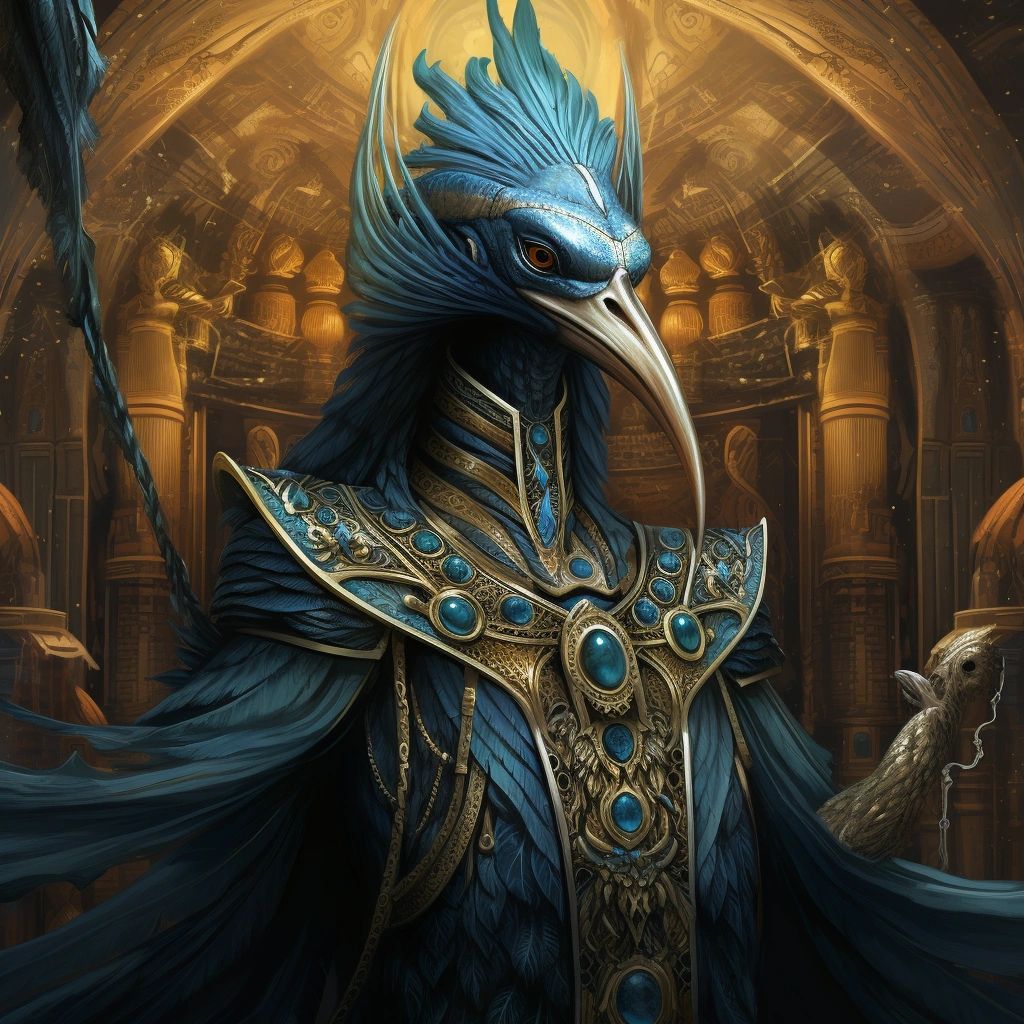
Origins and Contributions Thoth emerges as a legendary figure bridging ancient Egyptian and Atlantean traditions. According to mythological accounts, he hailed from Atlantis and brought advanced knowledge to Egypt following his civilization’s fall. Tradition credits him with inventing the Egyptian hieroglyphic writing system and introducing systematic knowledge across astronomy, mathematics, law, and magical practices. Relation to Hermes Trismegistus The Greek-Egyptian syncretization produced Hermes Trismegistus, literally “Hermes the Thrice-Greatest.” This composite deity merged Thoth’s Egyptian wisdom attributes with Hermes’ role as divine messenger. During the Hellenistic period, this figure became central to Hermeticism, a religious, philosophical, and esoteric tradition that espouses a worldview of hidden knowledge. ...

February 8, 2024 · 1 min · The Satori Stream
The Mystery of Atlantis

Unraveling the Mystery of Atlantis: From Plato's Tales to Modern Theories

Plato’s Account of Atlantis The oldest mentions of Atlantis appear in Plato’s dialogues “Timaeus” and “Critias,” composed around 360 BCE. Plato depicted Atlantis as a powerful and advanced kingdom that existed about 9,000 years before his time, positioned beyond the “Pillars of Hercules.” He portrayed it as a sophisticated naval civilization that eventually sank into the ocean as divine punishment following its defeat by the Athenians. Scholars continue debating whether Plato intended this narrative as historical fact, philosophical metaphor, or mythological tale. ...

February 8, 2024 · 2 min · The Satori Stream
Understanding Buddhism

Understanding Buddhism: Its Core Beliefs and Practices

Introduction Buddhism is among the world’s oldest religions, spanning over two millennia with followers across Asia and globally. Originating in the 6th to 5th century BCE in Nepal and India, it was founded by Siddhartha Gautama, known as the Buddha or “the awakened one.” The faith represents a rich amalgamation of philosophical teachings and spiritual practices that have evolved into diverse traditions. The Four Noble Truths The foundation of Buddhist philosophy rests on the Four Noble Truths, which diagnose the human condition and prescribe remedies akin to medical treatment: ...

February 8, 2024 · 2 min · The Satori Stream
What are the Archons?

What are the Archons?

Introduction Archons represent a complex and multifaceted concept that intertwines religious, mythological, and psychological elements. Rooted in ancient Gnosticism, these entities embody more than mere theological abstractions. They reflect deeper truths about cosmic and inner spiritual forces. This article explores their origins, historical significance, and contemporary interpretations, drawing connections between external cosmic dominion and internal psychological processes. Origins and Gnosticism Within Gnostic tradition, Archons functioned as powerful intermediaries between supreme divinity and the material world. Gnosticism posited a dualistic universe: a spiritual realm of light opposed to a material realm of darkness. In this framework, Archons served as rulers or guardians of the physical domain. ...

February 8, 2024 · 2 min · The Satori Stream
Carl Jung

Carl Jung: His Life and Contributions to Psychology

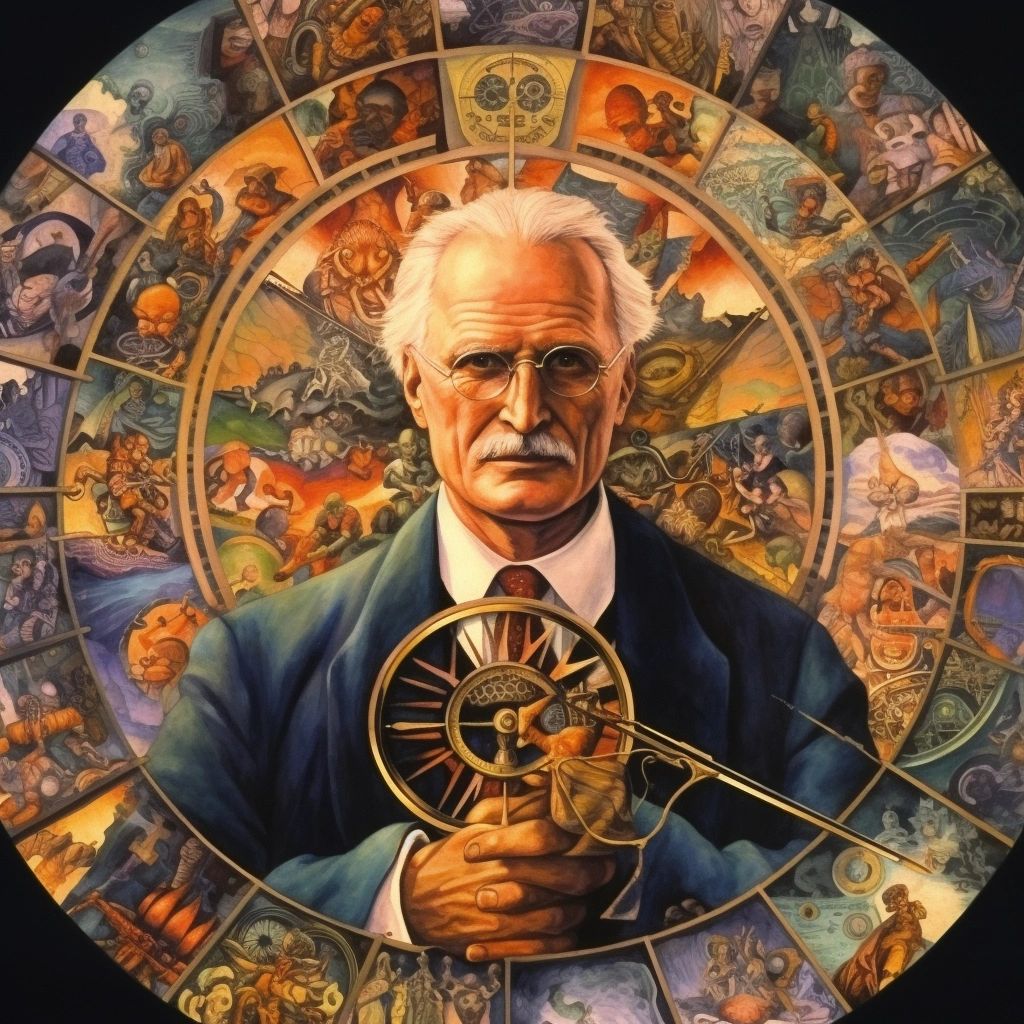
Carl Gustav Jung was born on July 26, 1875, in Switzerland and became a pioneering psychiatrist and psychoanalyst who established analytical psychology as a distinct field. His influential work extended across psychiatry, anthropology, archaeology, literature, philosophy, and religious studies. Early Collaboration and Divergence Jung initially collaborated closely with Sigmund Freud, contributing significantly to psychoanalytic theory development. However, theoretical disagreements led him to forge his own path and develop independent psychological frameworks. ...

February 7, 2024 · 2 min · The Satori Stream
How to Apply Gnosis

How to Apply Gnosis to Attain Inner Harmony

Introduction The Gnostic myth, particularly the narrative of the Fall of Sophia, offers profound psychological and spiritual insights that can be applied to our personal lives and inner development. This ancient framework provides a metaphorical lens for understanding the human psyche, self-awareness, and the pursuit of meaning. The Inner Sophia: Wisdom and Folly Within Sophia represents the dual aspects of human consciousness, both wisdom and folly. Just as Sophia’s desires lead to an unintended fall, individuals encounter their own challenges through unconscious drives, ignorance, or misplaced understanding. This fall represents an invitation to explore one’s inner depths, confronting shadows, fears, and avoided aspects of self. The journey moves from unconsciousness toward greater self-awareness. ...

February 7, 2024 · 2 min · The Satori Stream
The Fall of Sophia

The Fall of Sophia

Introduction to Gnostic Cosmology Gnosticism emphasizes gnosis, or direct knowledge of the divine. The tradition features a dualistic worldview separating the spiritual realm (pleroma) from the material world, viewed as flawed creation. A supreme, unknowable God emanates a series of divine beings or aspects. The Role of Sophia in Gnostic Mythology Sophia, meaning “wisdom” in Greek, represents a significant aeon or divine emanation. She embodies a dual nature, both divine wisdom and personified folly. This duality proves essential to understanding her narrative and the material world’s origins. ...

February 7, 2024 · 2 min · The Satori Stream
Nag Hammadi Library

Gnosticism Today and the Discovery of the Nag Hammadi Library

Introduction Gnosticism maintains its influence on contemporary spiritual and religious thought despite its ancient origins. The 1945 discovery of the Nag Hammadi library significantly revitalized scholarly and popular interest in Gnostic beliefs, reshaping modern spiritual movements and academic research. Gnosticism in the Modern World Contemporary society increasingly attracts those seeking alternatives to institutional religion. Modern spiritual practitioners find appeal in Gnosticism’s emphasis on personal spiritual experience over dogma, valuing direct encounters with the divine. ...

February 7, 2024 · 2 min · The Satori Stream
What is Gnosticism?

What is Gnosticism?

Gnosticism is a multifaceted religious and philosophical movement from the early Christian era, with possible roots extending into pre-Christian times. It centers on gnosis, or spiritual knowledge, as the pathway to salvation through direct divine experience rather than faith alone or institutional doctrine. General Beliefs of Gnosticism The core conviction underlying Gnostic thought emphasizes that spiritual knowledge (gnosis) rather than faith alone or adherence to dogma is the key to salvation. ...

February 7, 2024 · 2 min · The Satori Stream

Stay Connected

Subscribe for updates on spirituality, technology, and the journey within.