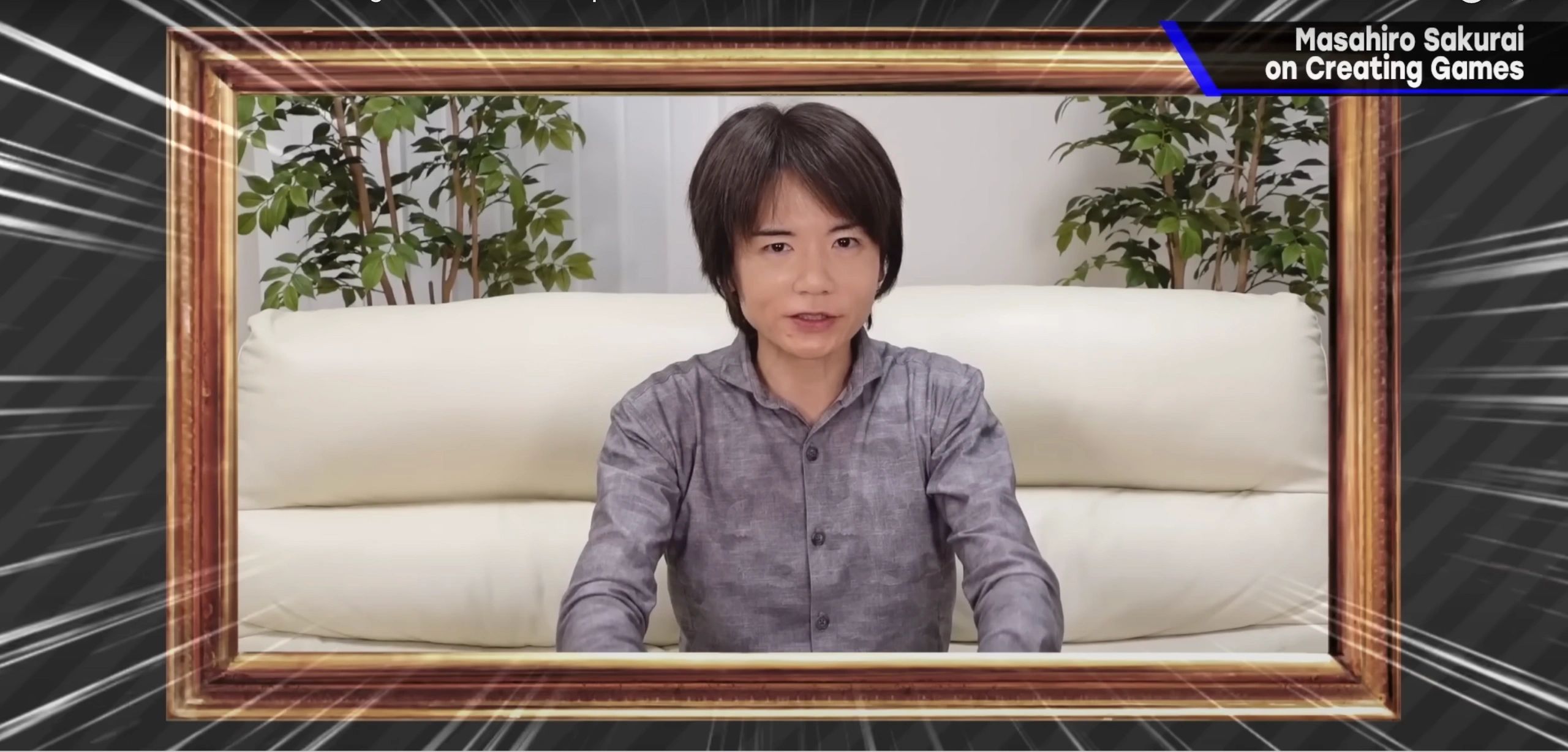
Designing from the Player’s Perspective
Masahiro Sakurai, creator of Kirby and Super Smash Bros., has built his career on a fundamental principle: understanding what players actually enjoy. His core philosophy emphasizes seeing things from the player’s perspective rather than becoming absorbed in developer ego.
Sakurai takes this seriously. He once disguised himself as a retail clerk to observe how customers interacted with games. He believes many developers fail because they create experiences only they find entertaining, rather than thinking like consumers.
Accessibility Meets Depth
A central tenet of Sakurai’s approach combines accessible controls with hidden complexity. He recognizes that overwhelming button layouts discourage newcomers. His ideal approach involves streamlined inputs, sometimes imagining games playable with just a single button and directional pad, while layering sophisticated mechanics for experienced players.
This “complexity from simplicity” philosophy appears consistently across his work. By trimming control schemes to essentials, beginners grasp fundamentals quickly, yet skilled players discover nuance and strategy.
The Work Behind the Vision
Sakurai’s dedication borders on legendary. During Super Smash Bros. Melee development, he worked 13 months without a break until hospitalization forced pause. Even then, he returned with an IV drip rather than slow down.
This sacrifice stems from genuine belief: “if it resulted in more people playing my game, I think I would weather any hardship.” He views development as accumulating “small stones one at a time,” but the hardship becomes worthwhile when millions experience joy from his creations.
Kirby: Welcoming Everyone
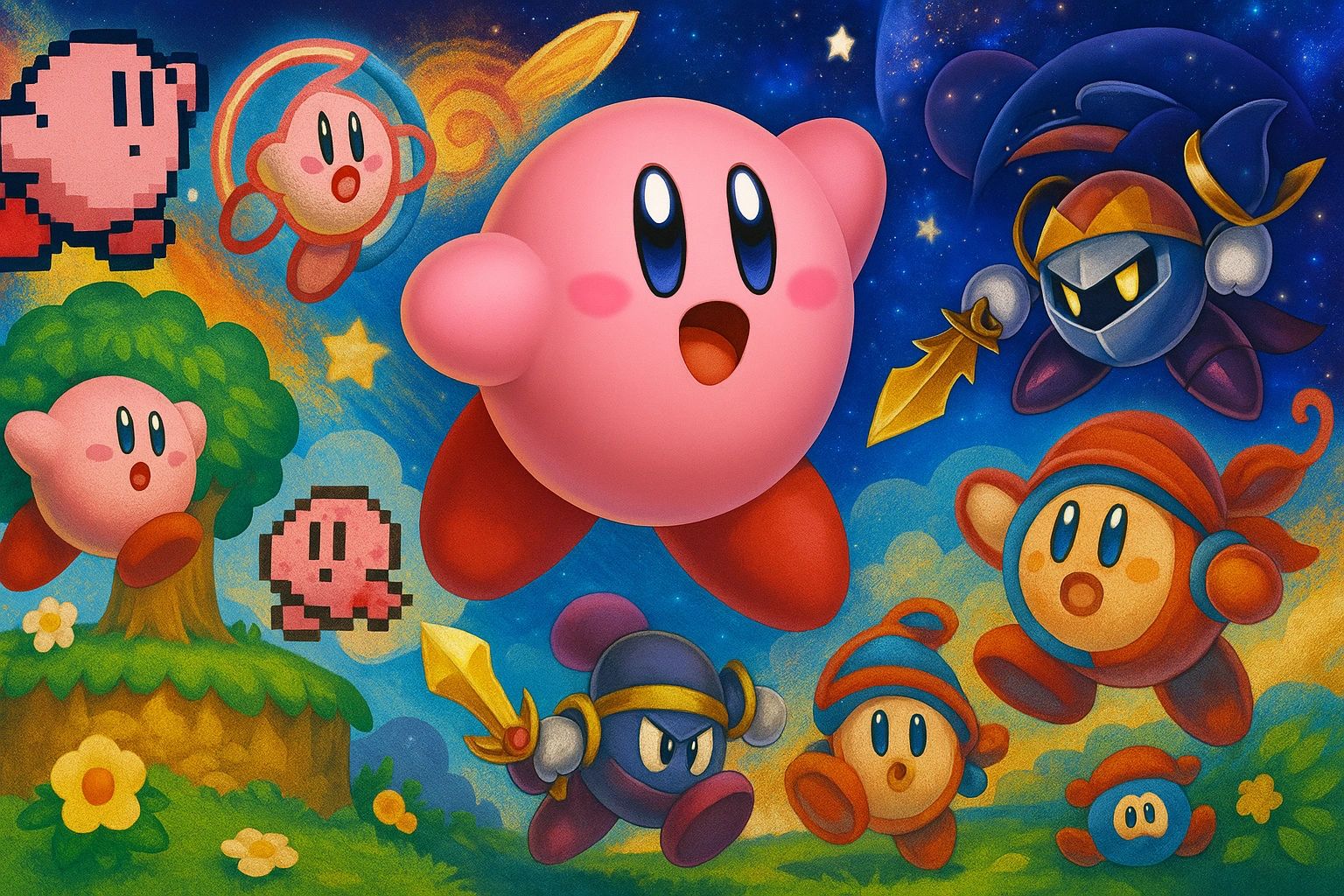
At age 19, Sakurai received the directive to design “a game that anyone could enjoy.” This led to Kirby’s Dream Land (1992), establishing his inclusive template.
Rather than punishing failure like contemporary games, Sakurai gave Kirby infinite flight. Players could soar over obstacles or bottomless pits that traditionally killed characters. This single decision removed platforming’s harshest frustration without sacrificing depth.
Sakurai coined “Kirbyism” to describe letting players tailor difficulty to their comfort. Some might fly over the entire stage and reach the goal unchallenged, while others engage enemies directly. Both experiences remain legitimate and fun.
Super Smash Bros.: Inclusive Innovation
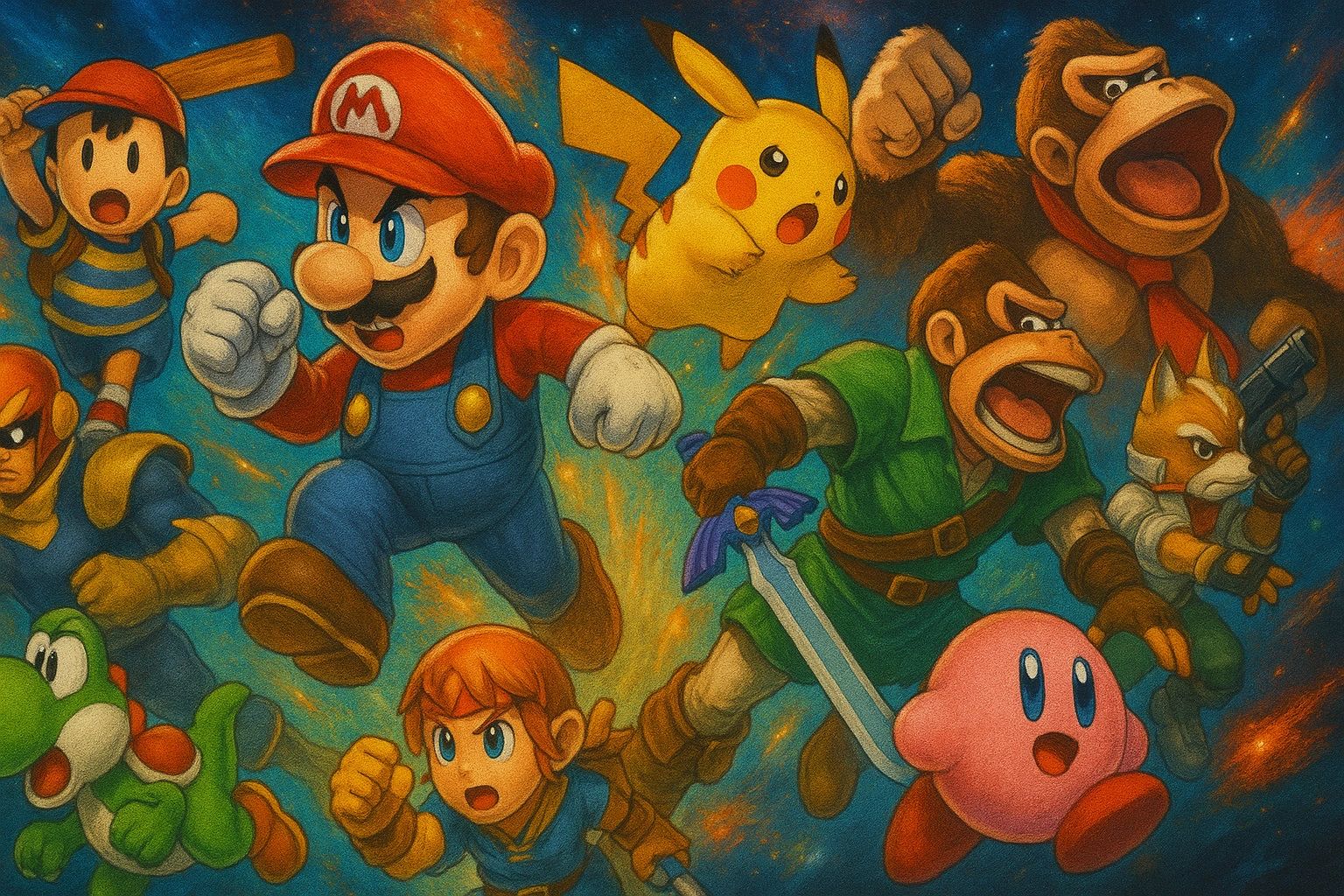
Smash Bros. revolutionized fighting games by abandoning genre conventions. Traditional fighters demanded memorizing complex button combinations and health-bar mechanics. Sakurai simplified fundamentally: intuitive controls, percentage-based knockback, and the playful objective of knocking opponents offstage, more like sumo wrestling than street combat.
“If ‘Smash’ swings solely in the hardcore direction, the game itself has no future,” Sakurai warned, emphasizing necessity of broader appeal.
Yet he balanced accessibility with infinite customization. Players adjust item frequency, rule sets, and stage hazards, essentially receiving two games: chaotic party experiences and refined competitive platforms.
The Roster Question
Sakurai’s personal responsibility to character fans became evident selecting fighters for Smash Bros. for Wii U/3DS. Roster decisions caused him stress “almost to the brink of death” because excluding someone’s favorite could “hurt the feelings of the players.”
For Super Smash Bros. Ultimate, he made unprecedented commitment: bringing back every character ever playable. “Everyone is here” became both slogan and promise, resulting in an 89-fighter roster unprecedented in fighting games, assembled through extraordinary effort to ensure no fan felt left behind.
Kid Icarus: Uprising - Challenge Reimagined
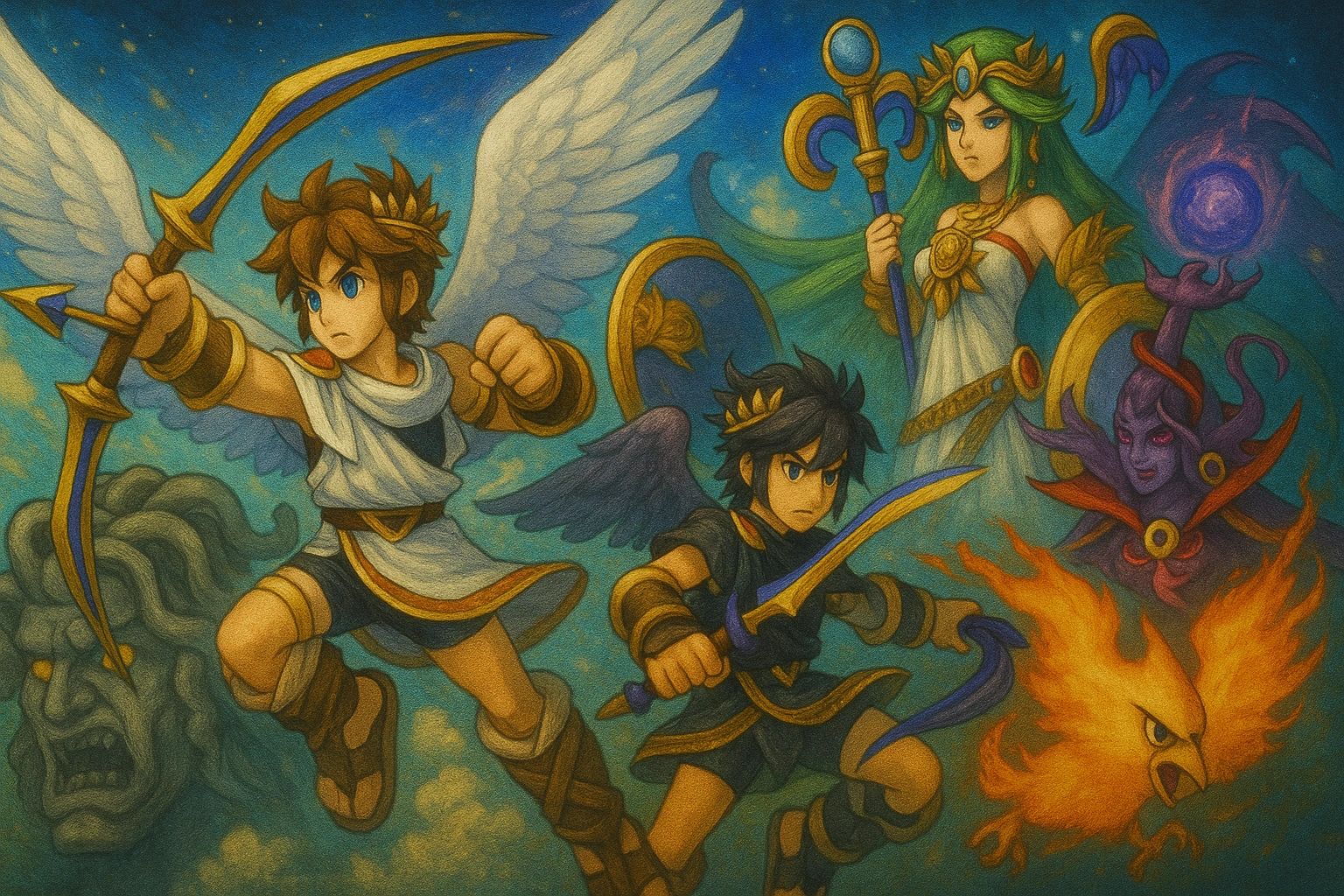
With Kid Icarus: Uprising (2012), Sakurai innovated difficulty systems. The Fiend’s Cauldron let players wager in-game currency to set intensity anywhere from 0.0 to 9.0, embodying Sakurai’s belief that “risk and return is the very core of game essence.”
Higher stakes meant tougher enemies and greater rewards: rare weapons and extra currency. Failure simply adjusted difficulty downward, never punishing progression. This system allowed casual players breezing through storylines alongside hardcore players chasing 9.0 challenges.
Sakurai ensures “anyone in command of the controls can reach the end” while satisfying those seeking maximum difficulty.
Educational Mission
After decades developing games, Sakurai launched a YouTube channel (2022) to share design philosophy. Rather than technical minutiae, he addresses fundamentals like frame rates, hit feedback, and mechanical balance, always connecting them to player enjoyment.
He funds the channel personally and keeps it advertisement-free, viewing it as “an investment in the games industry.” The goal: empowering future creators to prioritize fun, the ultimate measure of design success.
Core Philosophy Summary
Sakurai’s consistent message resonates across all projects: “We’re creating entertainment… Developing games for the users and not for companies or developers. That is important.”
From Kirby’s accessible floating mechanics to Smash’s universal controls to Uprising’s personalized difficulty, his work demonstrates that inclusivity and depth aren’t opposing forces. They’re complementary when designed through empathetic understanding of player experience.
His legacy proves that games uniting disparate audiences through fun, respect, and genuine care become cultural phenomena. The magic lies not in technical wizardry but in asking: “How can we make this joyful for everyone?”