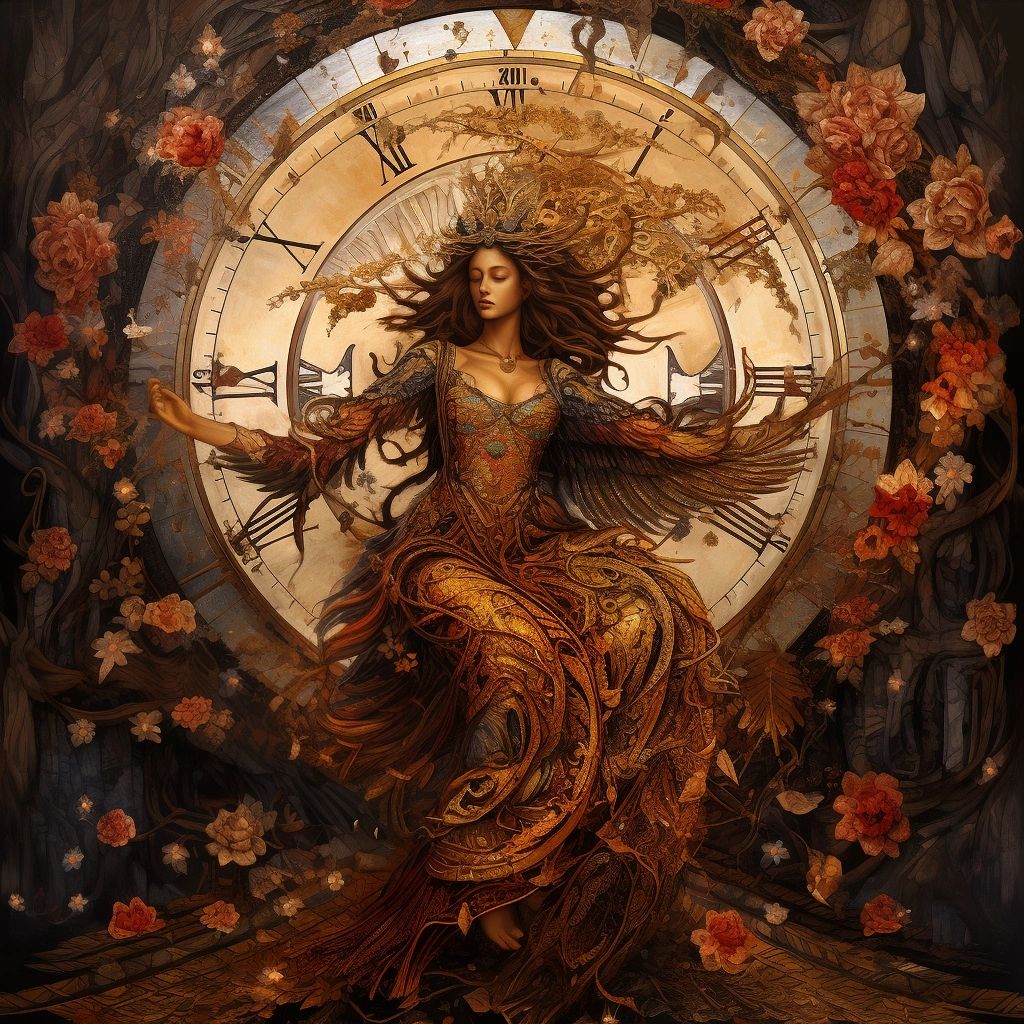
Introduction to Gnostic Cosmology
Gnosticism emphasizes gnosis, or direct knowledge of the divine. The tradition features a dualistic worldview separating the spiritual realm (pleroma) from the material world, viewed as flawed creation. A supreme, unknowable God emanates a series of divine beings or aspects.
The Role of Sophia in Gnostic Mythology
Sophia, meaning “wisdom” in Greek, represents a significant aeon or divine emanation. She embodies a dual nature, both divine wisdom and personified folly. This duality proves essential to understanding her narrative and the material world’s origins.
The Fall of Sophia
The myth varies across different Gnostic sects but follows this general pattern:
Sophia’s Desire and Unintended Creation
Driven by profound desire to know the supreme God or create independently, Sophia acts without her divine counterpart’s consent. This unauthorized action produces something imperfect outside the pleroma, sometimes resulting in the demiurge’s birth. The demiurge is a lower god, ignorant of the supreme realm, who creates the material world.
Sophia’s Descent and Suffering
Recognizing her error, Sophia’s light becomes trapped in matter or she descends into chaos. Her separation from the pleroma symbolizes disconnection from divine fullness, creating yearning for reunification.
The Role of the Demiurge
Unaware of his origins, the demiurge fashions the material world believing himself supreme creator. Though sometimes portrayed as malevolent, he primarily represents ignorance. His creation remains imperfect and distorted.
Sophia’s Repentance and Restoration
The narrative culminates in Sophia’s repentance and restoration to the pleroma, involving divine intervention and reestablishing order. This ongoing process parallels humanity’s spiritual quest.
Symbolism and Themes
The Duality of Wisdom and Ignorance. Sophia embodies the paradox where wisdom produces folly. Her desire for creation without complete understanding generates the flawed material world, reflecting humanity’s mixture of divine spark and ignorance.
The Material World as Imperfect Realm. Rather than supreme creation, the material world results from cosmic error. This perspective shapes Gnosticism’s emphasis on spiritual knowledge as escape.
The Quest for Redemption and Knowledge. Sophia’s journey mirrors the soul’s redemptive quest and divine reunification. Through gnosis, individuals awaken their divine spark and transcend material limitations.
Conclusion
The Fall of Sophia myth articulates profound questions regarding cosmic origins, divinity’s nature, and humanity’s salvation pathway. Through Sophia’s desire, descent, and redemption, Gnosticism explores deep existential concerns and spiritual awakening’s path, remaining central to Gnostic theology.