Introduction
Virtual reality has evolved from a speculative concept to an emerging consumer technology that continues advancing. The trajectory of VR promises revolutionary changes in how people interact with digital content, communicate, learn, and experience their surroundings.
Where Virtual Reality is Heading
Key development areas include:
Increased Immersion
Future VR systems will enhance sensory experiences through haptic feedback technology, allowing users to physically sense virtual objects. Innovations may extend to spatial audio and simulations of smell and taste, deepening the sensation of presence.
Improved Accessibility
As technology matures, VR devices will become more affordable, lighter, and wireless. User-friendly design and intuitive interfaces will remove barriers, enabling broader audience participation in VR experiences.
Enhanced Interactivity
Next-generation VR will likely incorporate eye tracking, gesture recognition, and brain-computer interfaces. These technologies enable more natural and intuitive interactions within virtual environments.
Wider Application
Beyond gaming and entertainment, VR has significant potential in education, training, healthcare, therapy, remote work, and social connection. It can offer immersive experiences unavailable through traditional methods.
Features Likely to Come
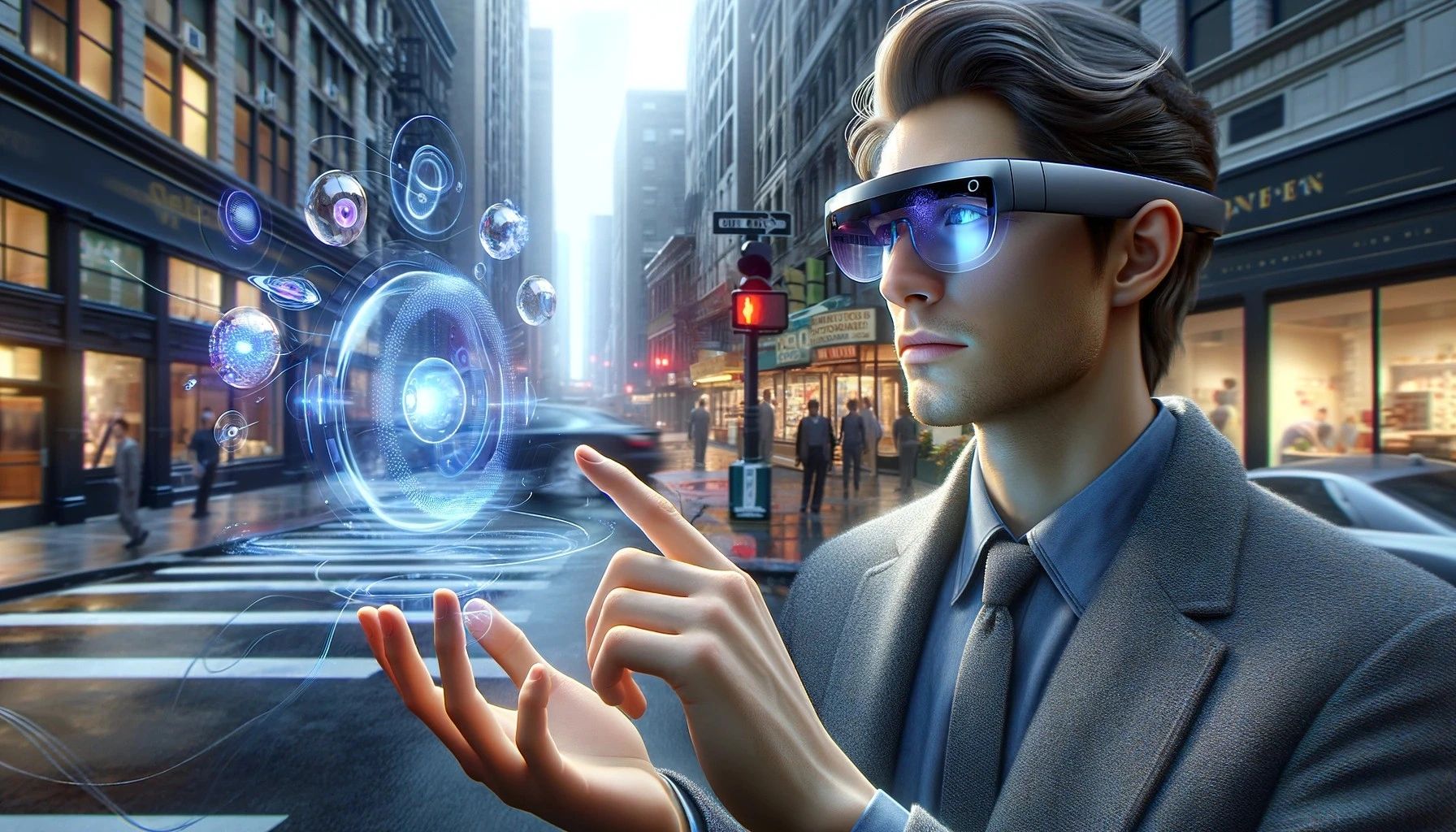
Seamless AR Integration: The boundary between VR and augmented reality will blur, creating mixed reality experiences that combine fully immersive environments with real-world augmented overlays.
Virtual Economies and Social Spaces: Virtual worlds will include functional economies and complex social structures where users create, sell, and trade digital assets while forming communities.
Personalized AI Assistants: AI-driven avatars will guide users through virtual environments, assist with tasks, provide information, and enhance learning and entertainment experiences.
The Overall Goal
The ultimate objective is creating a digital extension of physical reality, a parallel universe transcending physical world limitations. This technology aims to democratize experiences, make the inaccessible available, and connect people across distances, fundamentally transforming humanity’s relationship with technology.