Introduction
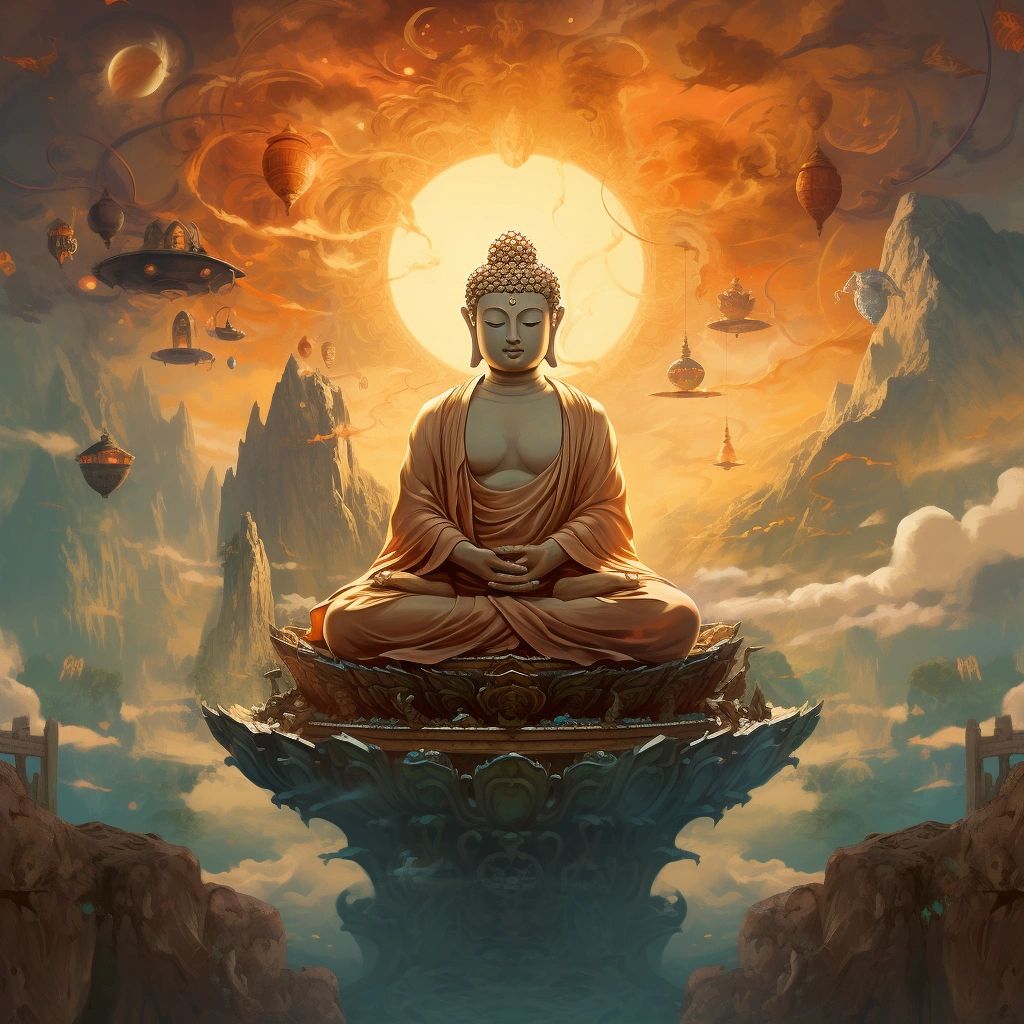
Buddhism is among the world’s oldest religions, spanning over two millennia with followers across Asia and globally. Originating in the 6th to 5th century BCE in Nepal and India, it was founded by Siddhartha Gautama, known as the Buddha or “the awakened one.” The faith represents a rich amalgamation of philosophical teachings and spiritual practices that have evolved into diverse traditions.
The Four Noble Truths
The foundation of Buddhist philosophy rests on the Four Noble Truths, which diagnose the human condition and prescribe remedies akin to medical treatment:
1. The Truth of Suffering (Dukkha): This acknowledges that suffering pervades existence through birth, aging, illness, death, desire, and attachment.
2. The Truth of the Cause of Suffering: The root cause is desire (tanha), which includes cravings for sensory pleasures, being, and non-being. Driven by ignorance, these desires perpetuate cycles of rebirth and continued suffering.
3. The Truth of the End of Suffering (Nirodha): By extinguishing desires, suffering ceases, leading to liberation called Nirvana.
4. The Truth of the Path: This introduces the Noble Eightfold Path as the means to overcome desire and reach enlightenment.
The Noble Eightfold Path
This practical guideline for ethical and mental development aims to free individuals from attachments and delusions, divided into three categories:
Wisdom (Prajña): Comprises right understanding and intention, developing insight into reality’s true nature, including impermanence and the Four Noble Truths.
Ethical Conduct (Sila): Includes right speech, action, and livelihood, emphasizing moral virtues, non-harm, honesty, and compassion in daily life.
Mental Discipline (Samadhi): Right effort, mindfulness, and concentration cultivate mental discipline through meditation, enhancing awareness and mental control.
Karma and Rebirth
Karma represents the law of moral causation. Actions produce consequences that determine future circumstances and rebirths. The cycle of birth, death, and rebirth (samsara) is influenced by karma and can be transcended through enlightenment.
Anatta (No-Self)
Buddhism teaches that there is no permanent, unchanging self. Instead, individuals comprise collections of changing phenomena without constant essence. Grasping this concept is essential for overcoming attachment and ego, advancing toward liberation.
The Concept of Nirvana
Nirvana represents Buddhism’s ultimate goal: extinguishing desire and ending suffering. It exists beyond conventional existence categories, achieved through realizing reality’s true nature. Attaining Nirvana means escaping rebirth cycles and experiencing ultimate peace.
Conclusion
Buddhism presents a comprehensive framework for understanding existence and achieving spiritual liberation through the Four Noble Truths, Noble Eightfold Path, karma, anatta, and Nirvana. As a diverse tradition, it accommodates varied practices and beliefs, permitting practitioners to discover their individual enlightenment path within its expansive teachings.